 跳至内容
跳至内容 
Daytime Running Lights (DRLs) improve visibility and safety — but they are subject to strict regulations that differ by market. This guide covers the legal requirements every manufacturer, distributor, and driver should understand. TUHO Lighting manufactures compliant LED lighting products designed for global market access.
What Are Daytime Running Lights?
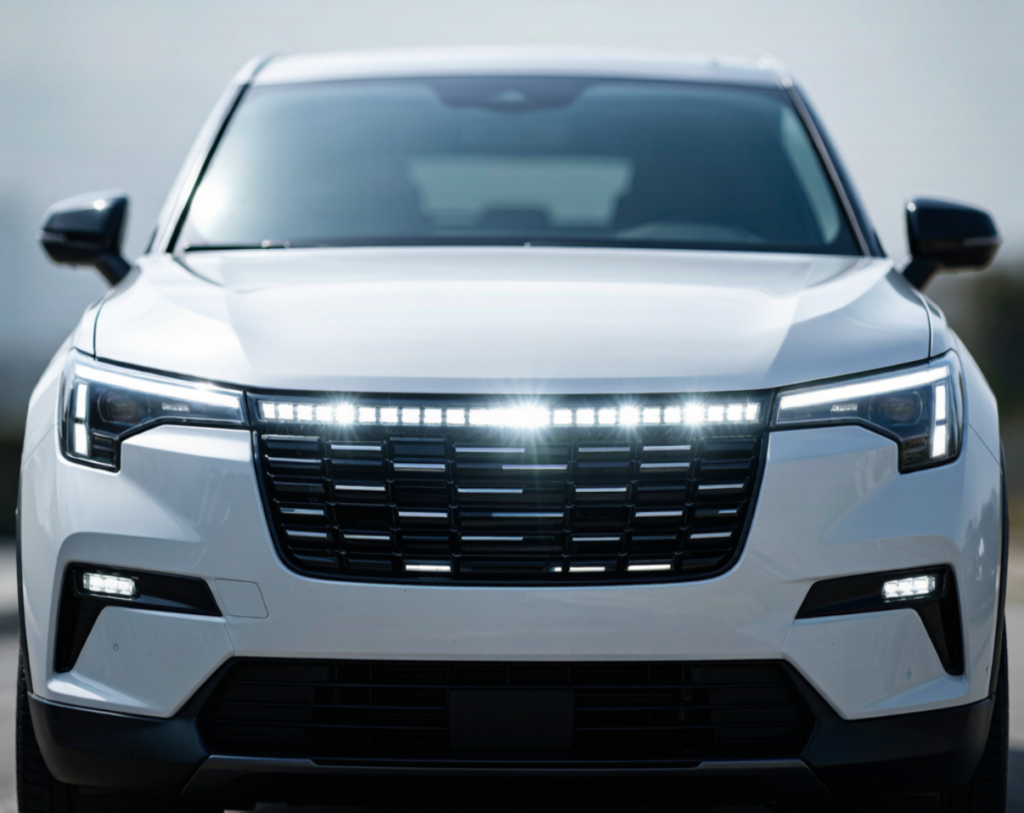
Daytime Running Lights are automatic, forward-facing lights that switch on when the vehicle is running during daylight hours. Unlike low beams, they do not illuminate the road ahead; they exist purely to make the vehicle more visible to other road users. Studies show DRLs reduce daytime multi-vehicle crashes by 5-10%. The daytime running lamp history traces their adoption from Scandinavia in the 1970s to global standard equipment today.
Why DRLs Are Regulated
Because DRLs are always on, they must meet strict rules on brightness, color, and positioning to avoid dazzling oncoming traffic or confusing other drivers. A DRL that is too bright becomes a hazard at dusk; one that is too dim fails its purpose. Regulators define exact photometric limits and mounting requirements. Compliance is not optional — vehicles or aftermarket products that fail these standards can be rejected in type approval or annual inspection.
ECE R87: The European Standard
ECE R87 is the global benchmark for DRL approval — used across Europe, Asia, and most of the world. Key requirements: luminous intensity between 400 and 1,200 candela per lamp, white color (color temperature within defined chromaticity), automatic activation with the ignition, and automatic switching to low beams when headlights turn on. The international vehicle lighting regulations govern these photometric and electrical requirements.
FMVSS: The US Approach
The United States takes a different approach. FMVSS 108 does not require DRLs, and US-market DRLs must meet specific photometric requirements — including a maximum intensity that varies with ambient light conditions (dimming automatically at night). US DRL rules allow brightness reduction when headlights are on. This regulatory difference means a DRL approved under ECE R87 may not automatically comply with FMVSS 108, and vice versa.
Requirements by Region
| Region | DRL Requirement | Governing Standard |
|---|---|---|
| European Union | Mandatory since 2011 (new cars) | ECE R87 |
| Canada | Mandatory since 2021 | CMVSS 108 |
| United States | Not mandatory, but common | FMVSS 108 |
| Japan | Optional / market-driven | ECE R87 compatible |
| China | Increasingly common | GB standards (ECE-aligned) |
Brightness and Photometric Rules
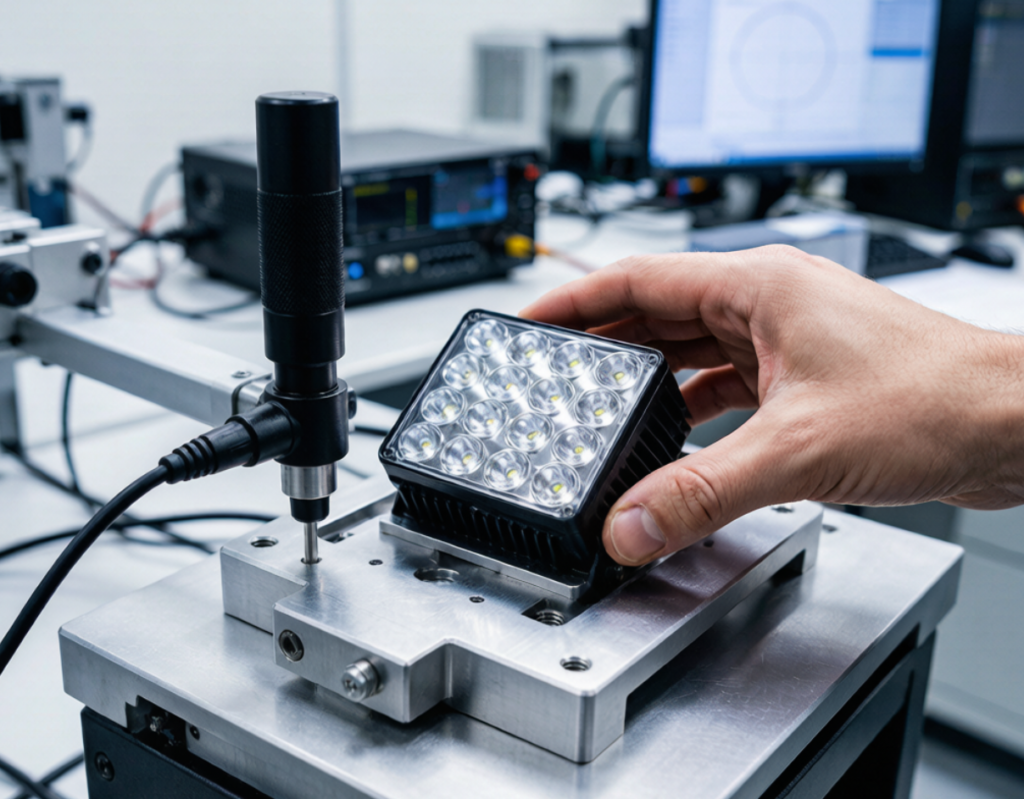
ECE R87 specifies a luminous intensity range of 400-1,200 cd per DRL lamp. The minimum ensures visibility; the maximum prevents glare. Tests measure intensity at defined angles to verify the beam pattern does not create glare for oncoming drivers. Products must also withstand temperature, moisture, vibration, and UV exposure tests. Manufacturers like TUHO validate beam pattern and photometric compliance through rigorous optical calibration.
Color Requirements
DRLs must emit white light within a defined chromaticity range. The color must not shift toward blue (illegal in most jurisdictions) or yellow (reserved for fog and turn signals). Modern LED DRLs naturally emit white light, but driver design and binning must maintain color stability over temperature and lifetime. Color drift as LEDs age is a real compliance risk for low-cost products.
Aftermarket DRL Compliance
Aftermarket DRL kits face additional scrutiny. They must be type-approved (E-mark or DOT) for legal installation. Unapproved kits can cause inspection failures, insurance complications, and even roadside citations in some regions. When sourcing aftermarket DRLs, verify the E-mark number, the photometric test report, and the manufacturer’s compliance documentation. TUHO’s aftermarket LED products are built to meet these standards from day one.
What Manufacturers Must Know
For manufacturers, DRL compliance is a design constraint, not an afterthought. The optical design must hit the 400-1,200 cd window. The driver circuit must dim when headlights activate. The housing must seal against moisture. The color must stay within spec for the product’s life. Compliance-first engineering — building to the standard from the start — is cheaper than redesigning after a failed test. TUHO follows this principle across all product lines, supported by factory aging and inspection processes.
FAQ
Are daytime running lights legally required?
In the EU (since 2011) and Canada (since 2021), DRLs are mandatory on new vehicles. In the US they are optional but common. Aftermarket DRLs must be type-approved where installed.
Can DRLs be too bright?
Yes. ECE R87 limits DRL intensity to a maximum of 1,200 cd to prevent glare. Products exceeding this fail approval and can dazzle other drivers.
What color must DRLs be?
White, within a defined chromaticity range. Blue or yellow-shifted lights do not comply with international standards.
Do aftermarket DRLs need approval?
Yes. Aftermarket DRLs must carry an E-mark or DOT approval for legal use. Unapproved kits risk inspection failures and citations.
Compliance-First LED Lighting from TUHO
TUHO Lighting builds DRLs and full vehicle lighting ranges engineered for global market access. From ECE R87 photometric calibration to aging inspection, we manufacture compliance-first products for automotive brands and distributors. Explore our product range or discuss your compliance needs.