 跳至内容
跳至内容 
Parking lights and daytime running lights (DRLs) look similar but serve completely different purposes. Understanding the difference prevents misuse and improves safety. TUHO Lighting manufactures LED T10/W5W bulbs commonly used for parking lights and DRL-compatible lighting for modern vehicles.
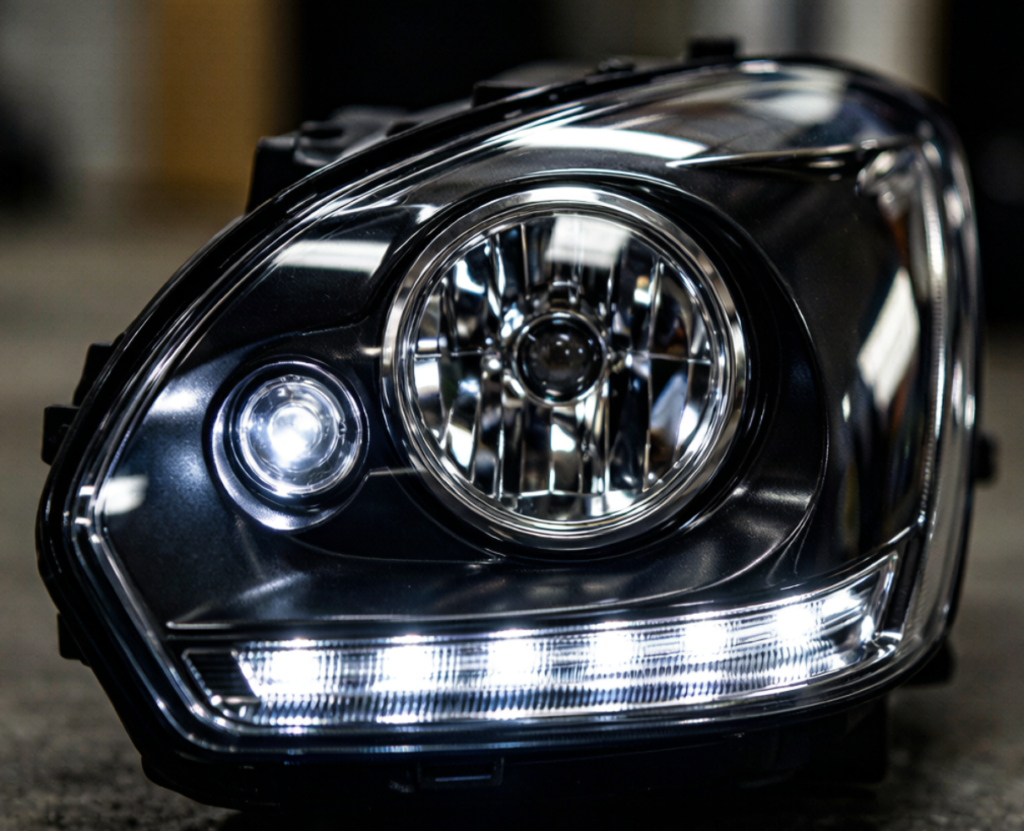
Two Easy-to-Confuse Lights
Both parking lights and DRLs are low-intensity forward-facing lights, and many drivers use the terms interchangeably. But they are engineered for different situations and governed by different rules. The daytime running lamp reference and parking lamp reference clarify the distinction. Knowing which is which matters for legal compliance, safety, and your vehicle’s lighting design.
What Are Parking Lights?
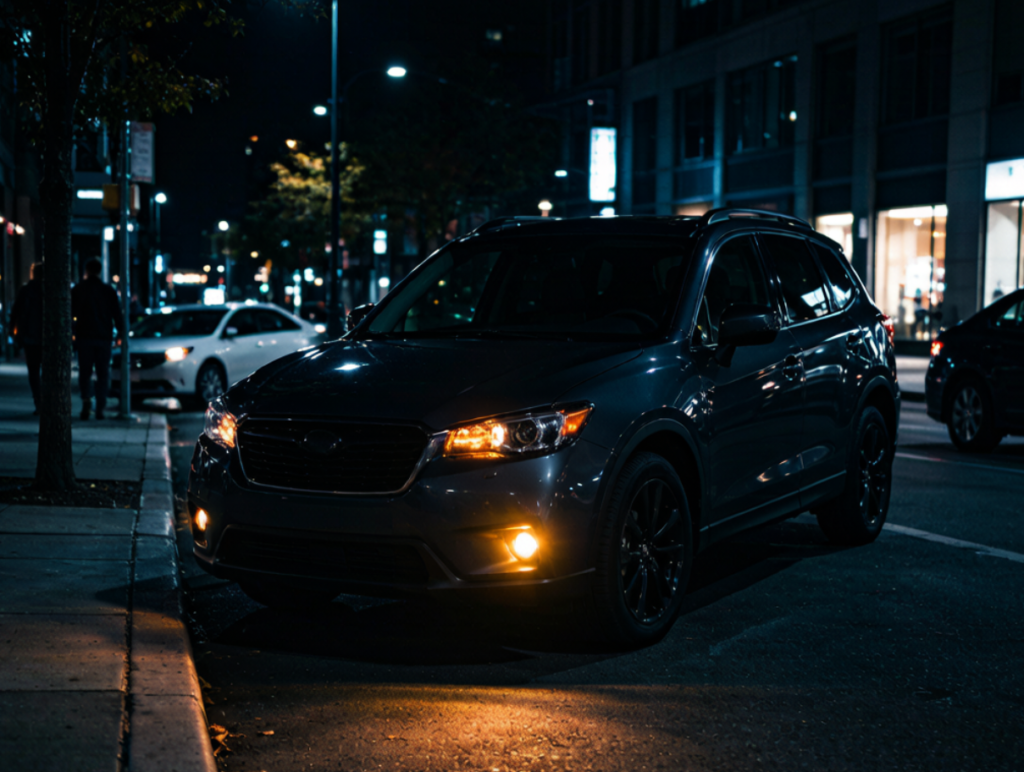
Parking lights (also called sidelights or position lamps) are low-intensity lights used when a vehicle is parked or stopped, primarily to make it visible to other road users. They run at very low wattage to preserve battery when the engine is off. In some regions, parking lights are also permitted as a low-visibility substitute when driving in well-lit urban areas. They are the dimmest of all vehicle lights — designed for “I am here” visibility, not illumination.
What Are Daytime Running Lights?
DRLs are automatic forward-facing lights that switch on when the vehicle is running during daylight. They are brighter than parking lights but still dimmer than low beams. Their sole purpose is to make the vehicle visible to other road users in daylight, reducing daytime collisions. DRLs activate automatically with the ignition in most modern vehicles and switch off or dim when headlights are turned on.
Key Differences
| Factor | Parking Lights | Daytime Running Lights |
|---|---|---|
| Primary purpose | Parked visibility | Daytime driving visibility |
| Activation | Manual switch | Automatic with ignition |
| Brightness | Very low | Moderate (brighter than parking) |
| When used | Parked, or low-visibility urban driving | Daylight driving |
| Typical bulb | T10 / W5W / 194 | Dedicated DRL module or LED strip |
Brightness and Purpose
Parking lights use tiny bulbs (often T10/W5W/194) drawing a few watts — just enough to mark the vehicle’s position. DRLs use brighter dedicated modules or LED strips. The brightness difference matters: driving at night with only parking lights is unsafe and illegal in most places, because they illuminate almost nothing. DRLs, while brighter, also do not illuminate the road — that is the low beam’s job. Neither substitutes for proper headlights at night.
Legal Use by Region
Parking lights: permitted while parked in most regions; some jurisdictions allow them for driving in well-lit urban areas at low speed. DRLs: mandatory on new vehicles in the EU and Canada; optional in the US. Using DRLs at night is not a substitute for low beams — most systems automatically switch to headlights or drivers must do so manually. Check local rules before relying on either light type in non-standard situations.
Common Misconceptions
- “Parking lights are fine for night driving” — false; they barely illuminate the road
- “DRLs are headlights” — false; DRLs do not light the road ahead
- “DRLs automatically switch to headlights” — depends on the vehicle; many do not
- “All cars have DRLs” — only vehicles built after DRL mandates or equipped with them
When to Use Each
Use parking lights when parked on a roadway at night, or (where legal) when driving very slowly in well-lit urban areas. Use DRLs automatically during daylight driving. At night, dusk, rain, fog, or tunnels — use full headlights (low beams). The safest habit: treat parking lights as a parked-car signal and DRLs as a daytime feature, never as replacements for proper headlights.
Upgrading Your Lights
Many drivers upgrade parking lights to brighter LEDs for a cleaner look. T10/W5W/194 LED replacements are plug-and-play and last far longer than halogen. DRL upgrades range from bulb replacements to full LED strip conversions. When upgrading, choose products with proper beam characteristics and compliance marks to avoid glare and legal issues. TUHO offers quality LED position bulbs engineered for long life and correct light distribution.
FAQ
What is the difference between parking lights and DRLs?
Parking lights are dim lights for parked-vehicle visibility. DRLs are brighter, automatic lights for daytime driving visibility. Neither illuminates the road ahead.
Can I drive with only parking lights at night?
No — parking lights provide almost no road illumination and driving with them at night is unsafe and illegal in most jurisdictions. Use low beams.
Do DRLs count as headlights?
No. DRLs make your car visible to others but do not illuminate the road. At night or in low visibility, you must use actual headlights (low beams).
Can I replace parking light bulbs with LED?
Yes. T10/W5W/194 LED replacements are plug-and-play, brighter, and last much longer than halogen equivalents.
Quality Position & DRL Lighting from TUHO
TUHO Lighting manufactures the LED bulbs behind modern parking lights, DRLs, and full vehicle lighting systems. For distributors and brands, we deliver consistent quality and compliance-first engineering. Browse our LED bulbs or talk to our team.